
Slow Metabolism: What's Actually Happening
Your Metabolism Isn't Broken. It's Adapting
Written by BeyondGLP Editorial Team · Medically reviewed by Dr. Steven Gabriel, MD
Medically reviewed by Dr. Steven Gabriel, MDIf it feels like your metabolism has 'slowed down', especially during menopause, you're not imagining it. But it's not random, and it's not permanent. This isn't about doing more. It's about understanding what's changing and how to respond.
Why This Matters
when your metabolism is supported
- Appetite stabilizes
- Cravings decrease
- Energy improves
- Consistency becomes easier
When It's Unstable
when it isn't
- Fat loss becomes harder
- Energy decreases
- Progress feels inconsistent
- Hunger may feel less predictable
This is why what used to work often stops working.
What's actually happening
Several key systems change during menopause. This loop can continue unless you interrupt it.
Muscle loss → lower metabolism → more fat gain → reduced energy → harder consistency
Why This Feels Hard
Many women respond by:
- Eating less
- Exercising more
- Trying to "push harder"
But this often leads to:
- More fatigue
- Increased cravings
- Slower progress
This is where frustration builds. Effort increases, but results don't.
What This Looks Like in Real Life
You might notice:
- You gain weight despite similar habits
- You feel more tired than before
- You lose strength or muscle tone
- You feel like your body is "resisting" change
This is a predictable physiological shift, not a failure.
What to Do First
- 01Prioritize protein
- 02Add strength training
- 03Eat consistently
- 04Support recovery
How This Helps
When you support your metabolism correctly:
- 01
Energy improves
- 02
Hunger stabilizes
- 03
Muscle is preserved
- 04
Fat loss becomes more sustainable
Your body starts working with you again.

Start Here
Focus on protein + 2 strength sessions per week.
Doesn't have to be perfect. Just repeatable.
Related Guides
the guides library →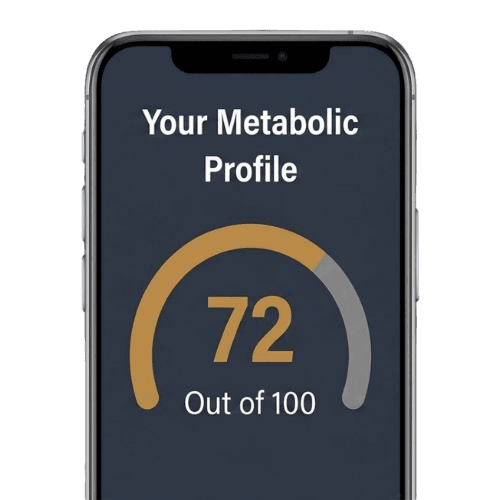
See your metabolic profile
Takes just a few minutes. Instant results.
Personalized guides · Science-backed · 100% Free
Doesn't have to be perfect. Just repeatable. BeyondGLP.com