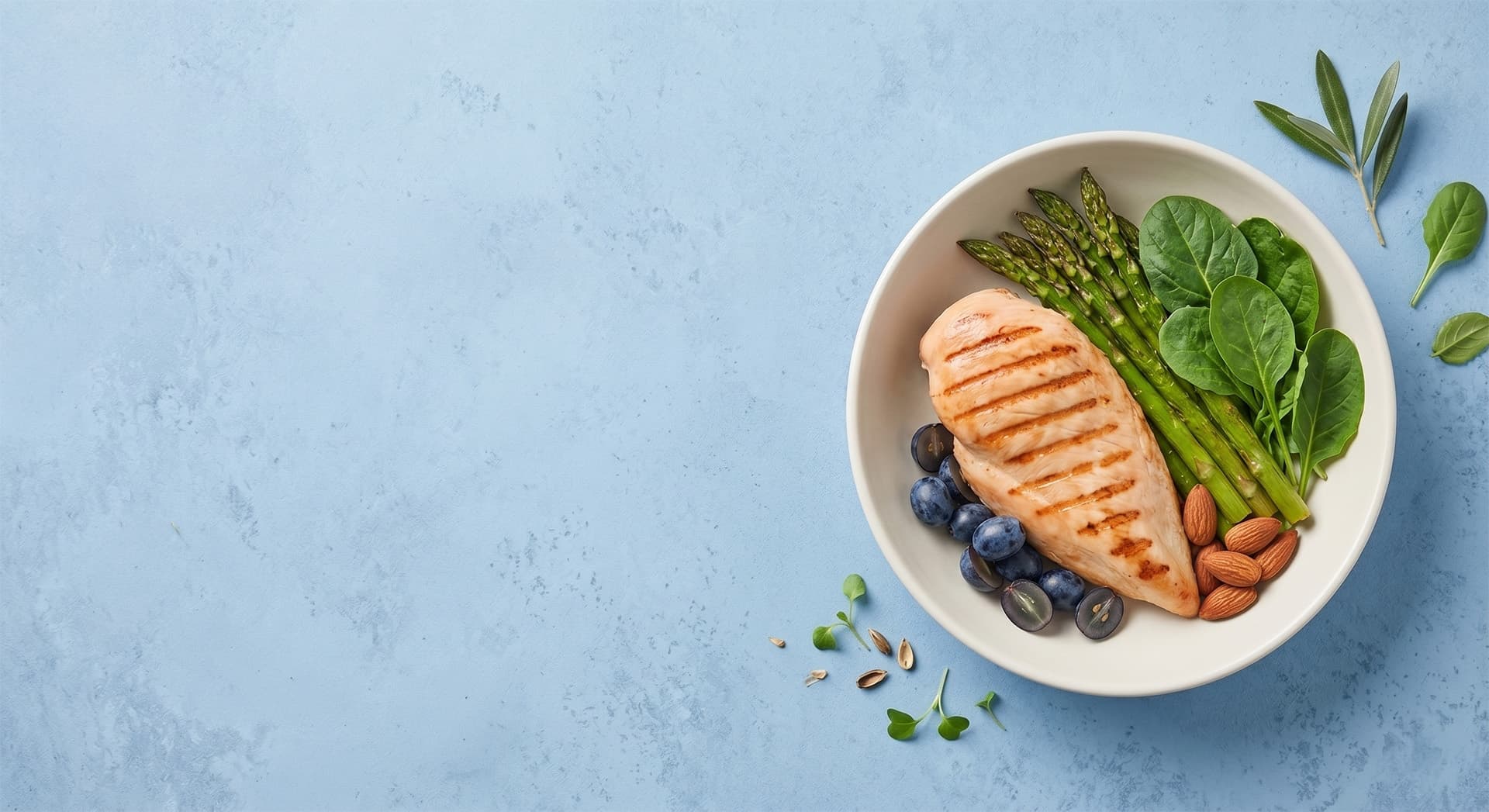
How Much Protein You Actually Need
Get Enough Protein. Stay Full and Protect Your Metabolism
Written by BeyondGLP Editorial Team · Medically reviewed by Dr. Steven Gabriel, MD
Medically reviewed by Dr. Steven Gabriel, MDIf you're trying to lose weight, control hunger, or improve your metabolism, protein is one of the most important and most misunderstood parts of your diet. This isn't about extreme intake. It's about getting enough to support your body properly. It matters even more when appetite is low, including for people taking GLP-1 medications, because eating less can unintentionally mean eating too little protein.
Quick answer: most adults trying to lose weight do best starting with 20–40 grams of protein per meal, or roughly 80–120 grams per day depending on body size, activity level, and health context. If you are using a GLP-1 medication, reduced appetite can make it harder to eat enough, so protein consistency matters for protecting lean muscle and supporting metabolism.
Why protein matters
when you get enough protein
- Hunger and fullness stabilize
- Muscle mass is preserved
- Metabolic rate is supported
- Energy stays stable
When you don't get enough protein
when you don't get enough protein
- You feel hungry sooner
- Meals don't satisfy you
- Muscle loss increases
- Metabolism slows over time
Protein is one of the strongest drivers of satiety.
What's actually happening
Protein increases hormones that help you feel full and slows the return of hunger after meals. It can also support steadier energy and blood sugar when paired with fiber-rich carbohydrates and healthy fats.
Without enough protein, your body struggles to regulate hunger and metabolism effectively, especially during weight loss or while using GLP-1 medications when appetite is reduced.
Satiety signaling → muscle maintenance → energy regulation.
Why this feels hard
Most people are told to:
- Eat less
- Cut calories
- Focus on carbs or fats
Protein is often:
- Underemphasized
- Poorly understood
- Hard to estimate
This leads to meals that don't fully satisfy you.
What this looks like in real life
Common signs of low protein intake:
- You eat but feel hungry again soon after
- You snack frequently
- You crave food even after meals
- You lose weight but feel weaker or more tired
How much protein you actually need
A simple, practical guideline
- Aim for 20–40 grams of protein per meal
- 80–120 grams per day (depending on body size and activity)
- 1 palm-sized portion = ~20–30g
- Easy options: Greek yogurt, eggs, tofu, fish, chicken, lentils, cottage cheese, or a protein shake when appetite is low
- You don't need precision. You need consistency
When protein matters most
- First meal of the day: sets hunger signals and reduces later cravings
- During weight loss: helps prevent muscle loss and maintain metabolism
- On GLP-1 medications: appetite is reduced, so the risk of under-eating protein increases
How protein helps
Getting enough protein:
- 01
Reduces hunger naturally
- 02
Improves energy stability
- 03
Protects muscle
- 04
Supports sustainable fat loss
Start here
Start with one change: fix your breakfast protein.
Individual needs vary. If you have kidney disease, are pregnant, take diabetes medications, or have a complex medical condition, ask a clinician or registered dietitian what protein target is appropriate for you.
Related Guides
the guides library →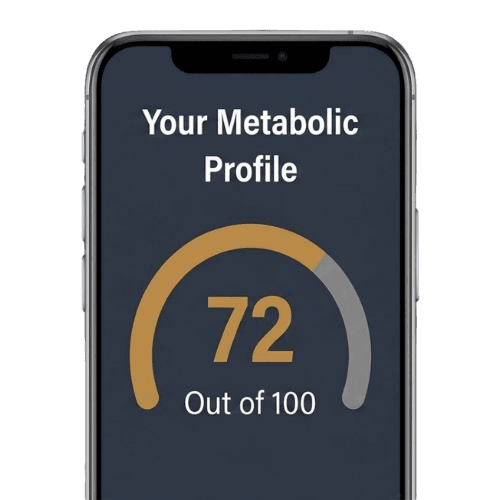
See your metabolic profile
Takes just a few minutes. Instant results.
Personalized guides · Science-backed · 100% Free
Doesn't have to be perfect. Just repeatable. BeyondGLP.com