Explainer
Quieting Food Noise: Understanding Cravings, Appetite Regulation, and Natural GLP-1 Alternatives
Persistent hunger and constant food thoughts are not a matter of willpower. They signify a complex signaling problem within your body's metabolic system.
Written by BeyondGLP Editorial Team · Medically reviewed by Dr. Gabriel, MD
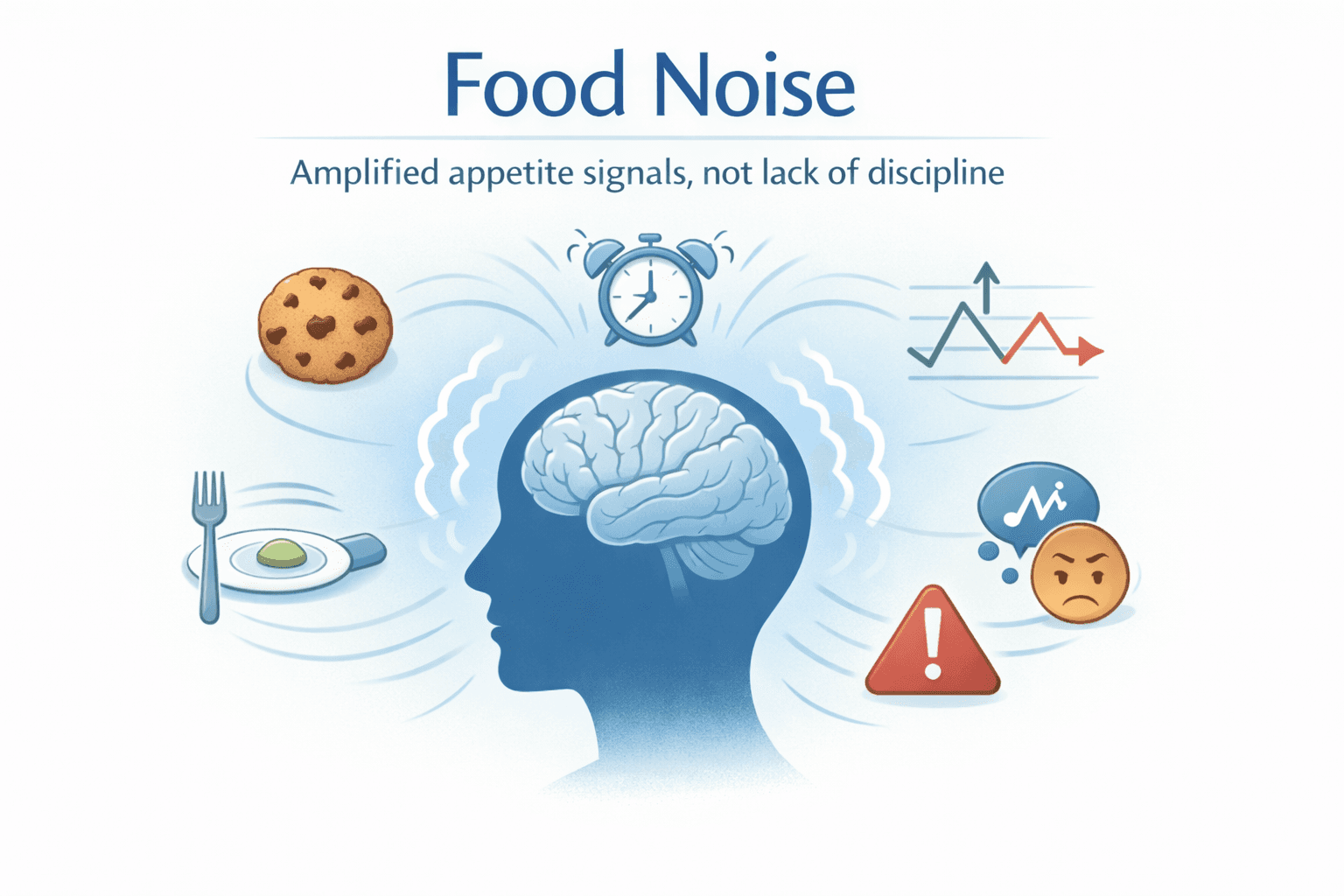
Persistent hunger and constant food thoughts, often described as "food noise," are not a matter of willpower. Instead, they signify a complex signaling problem within your body's metabolic system. Factors like modern diets, chronic stress, and disrupted appetite regulation can amplify these signals, leading to intense cravings and a seemingly insatiable hunger.
Understanding this biological reality is the first step toward finding effective natural appetite suppressants and GLP-1 alternatives that can help restore balance. At BeyondGLP, we believe true weight loss and weight management stem from addressing the root causes of these dysregulated signals.
When appetite signals become imbalanced, your body's natural hunger cues no longer align with its actual energy needs, making it incredibly challenging to achieve and maintain a healthy weight.
The Biology of Hunger: Why Appetite is Regulated, Not Chosen
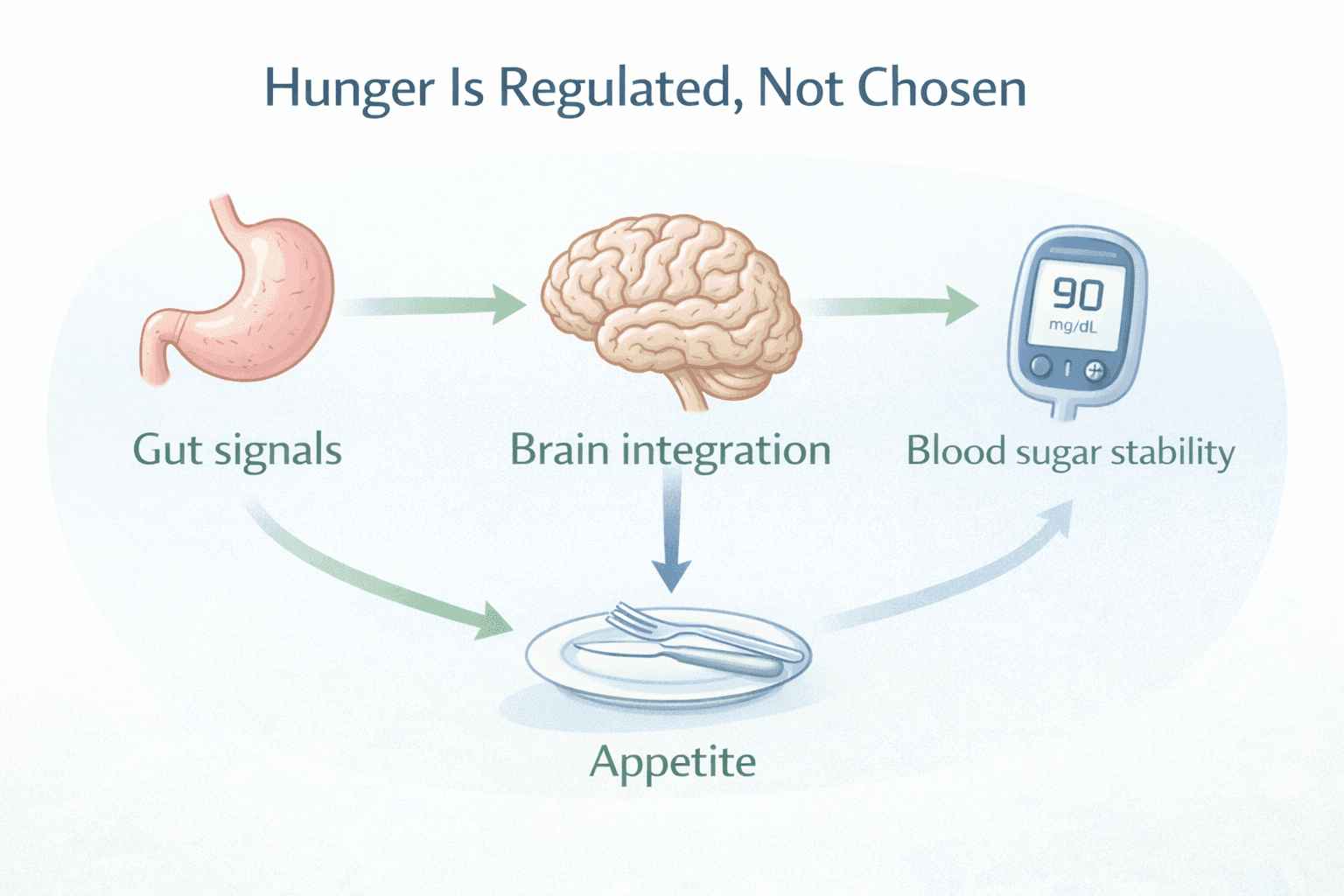
Appetite is a sophisticated biological system governed by intricate signals originating from the gut, brain, and endocrine system, particularly through blood sugar regulation. These signals are highly responsive to various factors, including sleep quality, stress levels, the nutritional quality of food consumed, overall metabolic health, and even a history of restrictive dieting.
When this delicate signaling system is disrupted, hunger can manifest as an urgent and seemingly uncontrollable sensation, often referred to as "food noise," even after consuming sufficient calories. This highlights that appetite is fundamentally regulated by complex gut-brain communication and hormonal interplay, making hunger a biological imperative rather than a conscious choice.
Key Factors Disrupting Appetite Signals:
- Processed Foods: High in sugar and unhealthy fats, they can lead to rapid blood sugar spikes and crashes, triggering intense cravings.
- Chronic Stress: Elevates cortisol, which can increase appetite and promote fat storage, especially around the belly.
- Poor Sleep: Disrupts hunger hormones like ghrelin (increases appetite) and leptin (decreases appetite).
- Inflammation: Systemic inflammation can interfere with metabolic pathways and hormone sensitivity, impacting satiety.
- Hormonal Imbalances: Especially in women, fluctuations in hormones can significantly influence hunger and cravings.
The Science Behind Strong Cravings: Blood Sugar, Hormones, and GLP-1
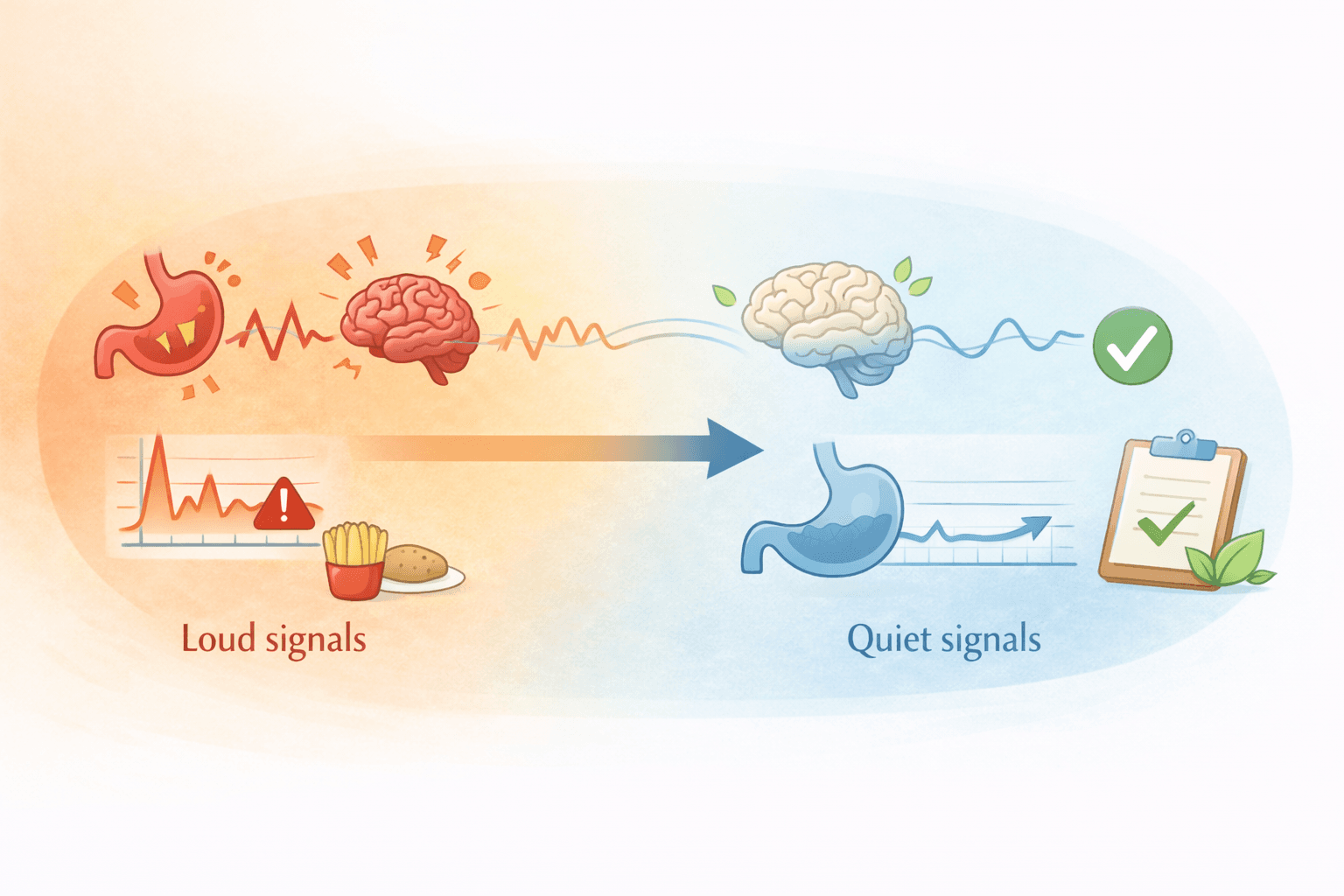
Intense cravings frequently surge when blood sugar fluctuates wildly or when crucial appetite hormones send conflicting or uncertain signals. Highly processed foods, while offering temporary gratification, often exacerbate these issues, creating a vicious cycle of craving and subsequent guilt.
This isn't a sign of personal weakness; it's your body attempting to resolve these conflicting biological messages. A key player in this intricate system is Glucagon-Like Peptide-1 (GLP-1), a hormone that helps regulate blood sugar, slows gastric emptying, and promotes feelings of fullness. When GLP-1 signaling is optimized, intrusive food thoughts and cravings naturally diminish, leading to a more stable and balanced metabolic state.
What is GLP-1 and How Does it Impact Appetite?
GLP-1 (Glucagon-Like Peptide-1) is an incretin hormone produced in the gut that plays a critical role in metabolic regulation. Optimizing GLP-1 function is key to quieting food noise and managing cravings effectively.
Primary functions of GLP-1:
- Stimulating Insulin Release: Helps lower blood sugar after meals.
- Slowing Gastric Emptying: Keeps you feeling full for longer.
- Reducing Appetite: Acts on the brain to decrease hunger and food intake.
- Promoting Satiety: Increases feelings of fullness.
For those seeking natural weight loss supplements or metabolism booster supplements, understanding GLP-1's role is paramount.
Quieting Food Noise: Beyond Understanding to Action with Natural Appetite Suppressants
When your body's intricate appetite signaling system achieves greater stability, the incessant "food noise" and intrusive thoughts about eating naturally begin to fade. This isn't about achieving dietary perfection; it's about fostering alignment between your internal hunger and satiety cues.
While understanding the biology of appetite is the foundational first step, translating that knowledge into actionable strategies is where true transformation begins. This often involves supporting your body with natural appetite suppressants and GLP-1 supplements that can help rebalance these signals.
By embracing a holistic approach that includes targeted natural weight loss supplements, you can effectively reduce food noise and manage cravings without resorting to constant, willpower-driven restraint.
BeyondGLP's Approach to Metabolic Harmony
At BeyondGLP, we offer a doctor-led, science-based metabolic health platform focused on how GLP-1 fits within the broader system of appetite, insulin, muscle, and gut signaling. We build authority through evidence-based education, then translate trust into actionable, subscription-based protocols for consumers on or off medication seeking a balanced metabolic system.
Our protocols often incorporate:
- Targeted Natural Supplements: Formulated to support healthy GLP-1 function and act as effective natural appetite suppressants.
- Metabolism-Boosting Strategies: Designed to enhance your body's natural fat-burning capabilities.
- Personalized Guidance: To help you navigate your unique metabolic journey.
Educational content only. Information explains physiology and is not intended as medical advice. Always consult a qualified healthcare provider regarding medical decisions.