How to Improve GLP-1 Naturally
Strengthen Your Body's Natural Appetite Control System
Written by BeyondGLP Editorial Team · Medically reviewed by Dr. Steven Gabriel, MD
Medically reviewed by Dr. Steven Gabriel, MDIf your hunger feels inconsistent, cravings are frequent, or you want to support results with or without GLP-1 medication, this guide shows how to naturally improve GLP-1 function. This isn't about restriction. It's about supporting the system that regulates appetite.
GLP-1 is a hormone released in the gut after eating. It helps signal fullness, slows digestion, supports insulin response, and helps keep blood sugar steadier after meals. You can support this system naturally by building meals and routines that make those signals easier for your body to use.
Quick answer: to support GLP-1 naturally, focus on protein at meals, fiber-rich plants, fewer ultra-processed foods, consistent meal timing, quality sleep, and stress regulation. These habits do not mimic medication, but they can strengthen the appetite and blood sugar signals your body already uses.
Why supporting GLP-1 matters
when it functions well
- Hunger is easier to manage
- Meals feel satisfying
- Cravings decrease
- Energy stays stable
When GLP-1 signaling is weak
when it doesn't
- Hunger increases
- Fullness signals weaken
- Cravings become stronger
- Overeating becomes more likely
Supporting GLP-1 improves appetite naturally.
What's actually happening
GLP-1 release is influenced by three connected systems: the nutrients in a meal, the health of the gut, and how steadily blood sugar rises afterward.
A higher-protein, higher-fiber meal generally gives the body more useful signals than a low-protein, highly processed meal that digests quickly.
Nutrient composition → gut health → blood sugar stability
Why this feels hard
Modern habits work against GLP-1:
- Highly processed foods
- Low protein intake
- Irregular eating patterns
- Poor sleep and stress
These disrupt:
- Blood sugar
- Gut health
- Hormone signaling
This weakens natural appetite control.
What this looks like in real life
You might notice:
- You don't feel full after meals
- You crave snacks or sugar often
- Hunger returns quickly
- Your energy fluctuates
These are signs your system needs support.
How to support GLP-1 naturally
- 01
Prioritize protein in every meal
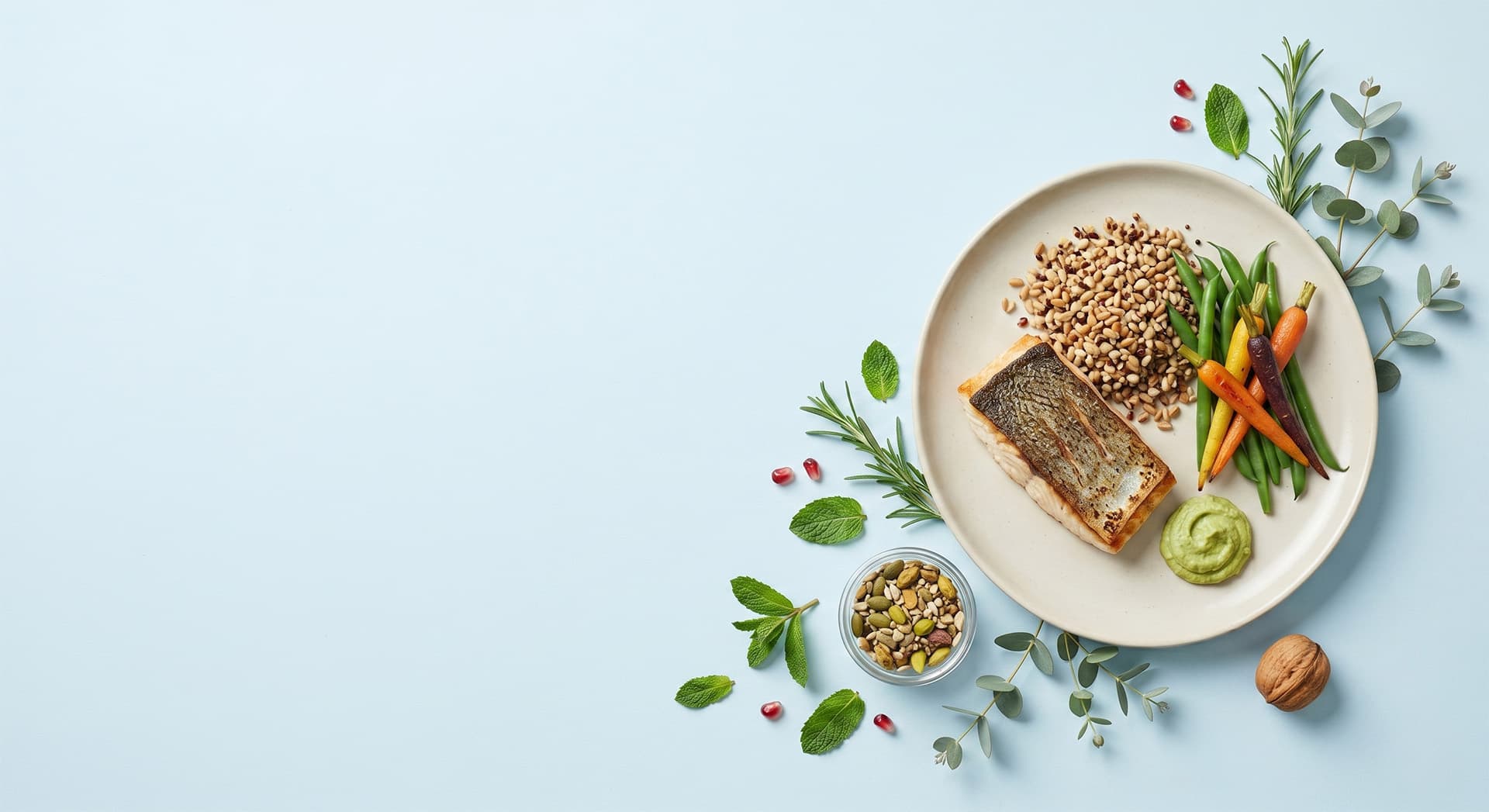
Eggs, Greek yogurt, cottage cheese, tofu, fish, poultry, or a protein-rich smoothie reduce the urge to snack later
- 02
Increase fiber intake
Vegetables, beans, lentils, berries, oats, chia, flax, whole-food carbs that digest more gradually
- 03
Reduce ultra-processed foods
Aim to make default meals more minimally processed most of the time, no perfection needed
- 04
Eat at consistent times
A repeatable meal rhythm stabilizes appetite and energy, especially with enough protein and fiber
Sleep, movement, and stress regulation are part of the same appetite-control system, not separate 'wellness' tasks.
How this helps
- 01Reduces reliance on willpower
- 02Stabilizes hunger and energy
- 03Supports long-term fat loss
- 04Enhances results with or without medication

Start with one change this week
Start with one change: improve your breakfast first.
Small changes → more stable metabolism.
Natural GLP-1 support is not a substitute for prescribed medication or medical care. If you use a GLP-1 medication, these habits may help you eat enough protein, protect muscle, reduce digestive discomfort, and maintain results more consistently.
Related Guides
the guides library →
See your metabolic profile
Takes just a few minutes. Instant results.
Personalized guides · Science-backed · 100% Free
Doesn't have to be perfect. Just repeatable. BeyondGLP.com