
Exercise for Metabolic Health: Build Strength Without Overtraining
Use Movement to Support Your Metabolism, Not Fight It
Written by BeyondGLP Editorial Team · Medically reviewed by Dr. Steven Gabriel, MD
Medically reviewed by Dr. Steven Gabriel, MDHow to exercise for fat loss and metabolic health without overtraining, burnout, or slowing your progress. More exercise isn't always better. Fatigue builds and progress slows down.
Quick answer: the best exercise for metabolic health is not the hardest plan. It combines daily movement, strength training 2–3 times per week, moderate intensity, and enough food and recovery to keep energy, blood sugar, and muscle health stable.
Balanced training
when it works well
- Energy improves over time
- Hunger feels steadier
- Strength is maintained or improves
- Sleep and recovery stay stable
- Exercise feels sustainable
Overtraining pattern
when it doesn't
- Fatigue builds week after week
- Hunger, cravings, or food noise become unpredictable
- Performance drops or soreness lingers
- Sleep worsens or resting stress feels higher
- Exercise starts to feel like punishment

What's actually happening
Exercise helps improve metabolism naturally when it supports glucose uptake, preserves muscle, and improves insulin sensitivity. But too much intensity with too little recovery can raise stress load, increase fatigue, and make hunger or cravings feel harder to manage.
This is especially important during weight loss or while using GLP-1 medications, when appetite may be lower and under-eating can make hard workouts harder to recover from.
Balanced → better energy → better consistency | Excess → fatigue → worse results
How to maintain balance

Avoid overtraining

Don't train while under-eating

Prioritize recovery
What to do first
Start with the lowest effective dose of exercise.
- 01
Walk daily
Walking is the foundation for blood sugar control, recovery, and consistency
- 02
Strength train 2–3x per week
Squat, hinge, push, pull, carry, and core stability movements
- 03
Keep most workouts moderate
Finish feeling worked, not depleted
- 04
Watch recovery signals
Scale back if soreness, sleep disruption, fatigue, or hunger swings persist
Fuel your workouts
- 01Eat enough protein to support muscle
- 02Don't train on an empty stomach
- 03Allow rest days for recovery
- 04Avoid pairing hard workouts with very low food intake
Simple meal framework
Protein + fiber-rich carbohydrate + healthy fat
Examples:
- Avocado + whole grain toast + eggs
- Tofu + brown rice + vegetables
- White fish + roasted cauliflower

Start with one habit this week
Walk daily, add strength training, keep intensity moderate.
+ Add walks+ Strength training+ Prioritize recoverySmall changes → more stable metabolism.
If you're taking a GLP-1 medication: appetite can drop, making it easier to undereat. Focus less on burning more calories and more on protecting muscle, supporting energy, and maintaining function. If dizziness, weakness, persistent nausea, or unusual fatigue show up during exercise, reduce intensity and talk with a qualified clinician.
Related Guides
the guides library →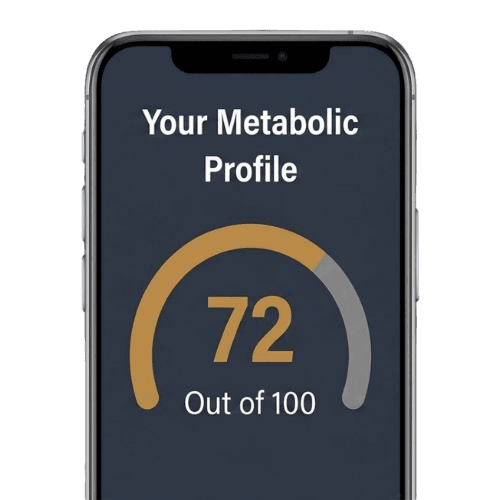
See your metabolic profile
Takes just a few minutes. Instant results.
Personalized guides · Science-backed · 100% Free
Doesn't have to be perfect. Just repeatable. BeyondGLP.com